
 Account


Creating an All-Season Fire Pit Area: Autumn Design Tips with Natural Stone
27 October 2025

14 July 2025

18 June 2025

02 November 2024
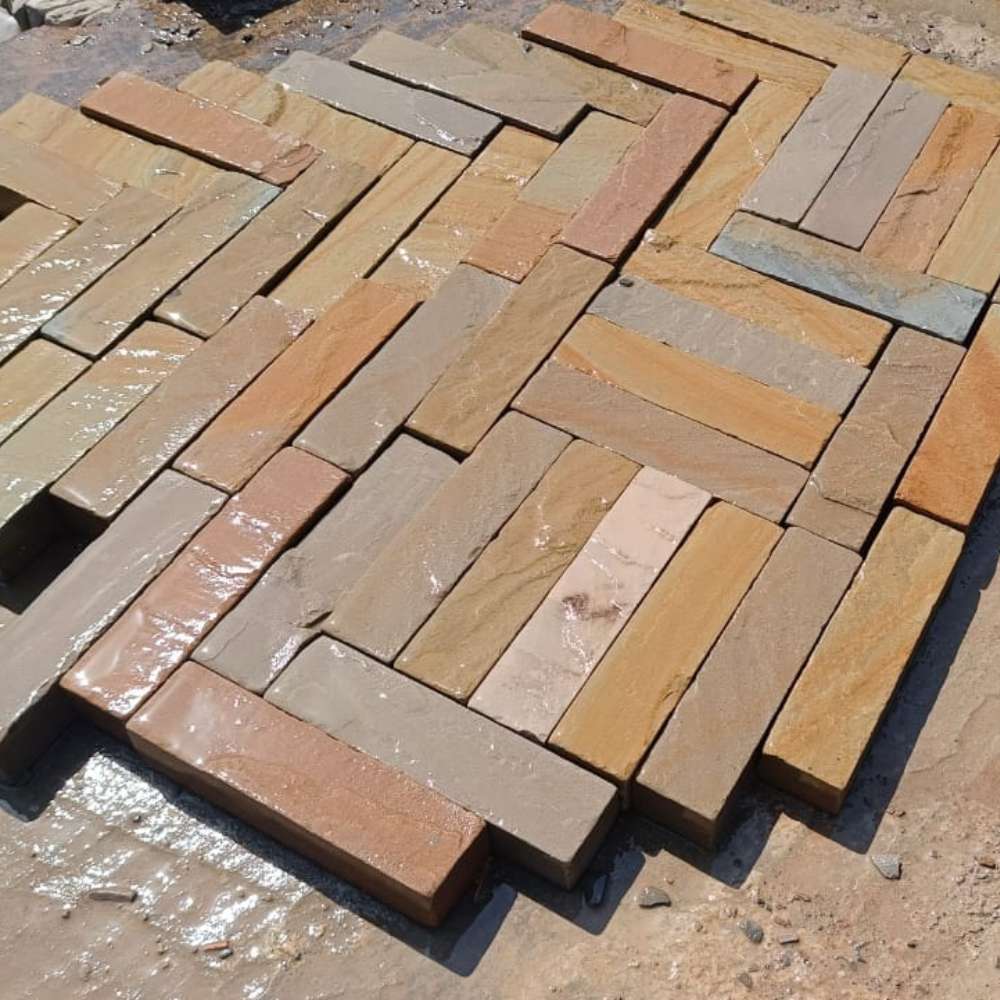
Let's have a little chat about autumn in British gardens. Specifically, about that moment when you look out at your fallen leaves and think "should I rake them up for the fourteenth time this week, or just accept that my garden is now a nature documentary waiting to happen?"
Here's a revolutionary thought: what if, instead of fighting autumn's leafy invasion like some sort of garden warrior, you designed pathways that actually work with fallen leaves? What if your garden paths looked better with a scattering of copper and gold rather than worse? What if – and stay with me here – autumn became your garden's best season instead of its messiest?
The secret lies in choosing the right natural stone paving. And by "right," I mean cobbles and mixed paving that embrace texture, variation, and that beautiful organic chaos that makes autumn gardens so enchanting. Forget pristine concrete that shows every leaf like it's committing a crime. We're talking about Indian sandstone and natural stone that actually improves with a bit of seasonal drama.
Right, let's address the elephant in the garden – or rather, the leaves on the path. Traditional smooth paving looks gorgeous in photographs taken immediately after installation. Then October arrives, it rains (because Britain), leaves fall, and suddenly your beautiful pathway resembles a skating rink decorated with nature's confetti. Not ideal when you're trying to reach the shed without performing an unintentional interpretive dance.
The Japanese have been onto this for centuries. Ever noticed how Japanese garden paths look better with fallen leaves? That's because they use materials with texture, variation, and character – surfaces where leaves become part of the aesthetic rather than the enemy of it. They're not fighting nature; they're providing a stage where nature can perform.
We can absolutely steal this approach. British gardens + Indian sandstone cobbles + autumn leaves = magic. It's basically guaranteed by the laws of garden aesthetics (which I'm fairly sure exist, even if nobody's written them down officially).

Garden cobbles are the unsung heroes of autumn pathways. Unlike large, smooth paving slabs where wet leaves create hazardous slip zones, cobbles provide texture, grip, and visual interest that actually benefits from seasonal variation.
Think about it: leaves settling between cobbles create natural patterns. Rain draining through cobbled surfaces means no standing water. That gorgeous dappled effect when sunlight hits mixed-colour cobbles through autumn foliage? Chef's kiss. You can't buy that level of atmospheric beauty – well, you can buy the cobbles, but nature provides the styling for free.
Plus, cobbles age beautifully. Where smooth paving shows every mark and stain like it's keeping a grudge, cobbled garden paths develop character and patina. They're the outdoor equivalent of a well-loved leather jacket – better with age, stories, and a bit of weather.
If there's one stone that was literally designed for autumn gardens (geologically speaking, though we're taking creative liberties with intentionality here), it's Raj Green Sandstone. This Indian sandstone features a gorgeous mix of buffs, greens, browns, and occasional purple-grey tones – basically, it's autumn in stone form.
The Raj Green Sandstone Riven Cobbles come in versatile sizes (100x100mm and 200x100mm packs), and here's what makes them brilliant for autumn pathways: that riven finish. The natural texture isn't just pretty (though it absolutely is) – it's practical. Wet leaves? Less slippery. Autumn rain? Better drainage. Occasional moss growth adding to the woodland aesthetic? Actually looks intentional rather than neglected.
The 100x100 size is perfect for creating those winding, organic paths that feel like they've always been there. You know those garden paths that look like they were designed by nature herself after a particularly inspired afternoon? That's what you're going for. Stack 900 cobbles from a single pack, and you've covered 9 square metres of pathway magic.
For broader paths or driveway edges, the Raj Green Riven Cobbles 200x100 Pack provides more coverage with fewer pieces (450 cobbles for the same 9m²). The larger format creates a slightly more formal look whilst maintaining that gorgeous textured surface. Perfect for main garden pathways where you want "intentionally rustic" rather than "woodland sprite habitat."
The colour palette is what really sells it. Those greens and browns don't just complement autumn foliage – they mirror it. When leaves fall on Raj Green cobbles, they don't look out of place; they look like they're coming home. Very poetic, very Pinterest, very likely to make visitors ask "who's your garden designer?" (Answer: you are, you're just working with really good materials.)
Fancy something a bit more contemporary? Kandla Grey Sandstone Riven Cobbles offer that gorgeous silvery-grey aesthetic that's been dominating landscape design for years – and for excellent reasons.
The Kandla Grey Riven Cobbles 100x100 provide a neutral backdrop that makes autumn colours absolutely pop. Copper leaves against grey stone? Stunning. Golden foliage? Magazine-worthy. Even brown soggy leaves somehow look artistic. It's like having an Instagram filter built into your garden path.
That natural grey wash with subtle green undertones creates depth without being fussy. Each cobble is hand-cut with that traditional riven finish, so you get textural variation that catches light beautifully – especially during autumn's famously gorgeous golden hour. You know, that magical time around 4pm when everything looks like a period drama and you desperately wish you had a photographer following you around.
For more substantial pathways, the Kandla Grey Sandstone Riven Cobbles 200x100 Pack provides larger format stones that create a more structured look. These are brilliant for main garden paths or creating defined edges between different garden areas. The 40-60mm thickness means they're properly robust – these aren't delicate little decorative elements, they're proper workhorses that'll handle decades of use without flinching.
The beauty of Kandla Grey for autumn paths is its versatility. It works with formal gardens (very Georgian townhouse), cottage gardens (rustic charm), contemporary spaces (minimalist zen), and even slightly wild, overgrown areas (secret garden vibes). Whatever your garden's personality, Kandla Grey adapts and enhances rather than dictates.
And here's a practical bonus: grey stone shows dirt and leaf stains far less than lighter alternatives. A quick sweep occasionally, and it looks immaculate. Basically, it's the garden path equivalent of dark jeans – practically self-cleaning, always looks good.
Want something with slightly more refinement? The tumbled cobbles range offers hand-cut precision with delicately rounded edges, creating a softer, more established look straight from installation.
Raj Green Sandstone Tumbled Cobbles (100x200mm size) are particularly gorgeous. The tumbling process rounds off harsh edges, creating stones that look like they've been weathered by decades of use. Perfect for cottage gardens, traditional properties, or anywhere you want that "been here forever" aesthetic without actually waiting forever.
The same treatment applied to Kandla Grey Sandstone Natural Tumbled Cobbles creates contemporary elegance with vintage character. It's that difficult-to-achieve combination of modern and timeless – very "restored period property featured in Living etc. magazine."
Both options maintain excellent slip resistance (the tumbling enhances rather than removes texture) whilst offering a more refined appearance. They're ideal for pathways where you want cobbles' character and drainage benefits but prefer softer, more flowing lines. Think curved paths through established borders, stepping stone arrangements across lawns, or formal herb gardens where structure matters.
Right, here's where things get really fun. If cobbles are brilliant for small-scale pathways and textural interest, mixed patio packs are your secret weapon for creating larger pathway areas with built-in design sophistication.
The Raj Blend Sandstone Riven Paving Mix Patio Pack is basically autumn condensed into natural stone form. This Indian sandstone combines rosy browns, tans, siennas, greys, and occasional swirls of yellow – the exact colour palette of October in the British countryside.
Here's what makes Raj Blend brilliant for autumn pathways: that colour variation is already built in. You're not trying to achieve uniformity (which is boring anyway); you're celebrating natural variation. When autumn leaves scatter across Raj Blend paving, they blend seamlessly with the stone's own tones. The whole effect is incredibly organic, like your pathway and your garden are having a proper conversation rather than just coexisting.
The mixed patio packs come in multiple slab sizes (the 5-size pack includes everything from 845x560mm down to 280x280mm), which means you can create random laying patterns that look intentional rather than chaotic. This is key for natural-looking pathways – rigid grid patterns feel too formal, but completely random arrangements can look messy. The mixed pack solves this by providing variety within structure.
Use larger slabs for main pathway routes, smaller pieces for edges or narrower sections, and suddenly you've created visual rhythm without requiring a degree in landscape architecture. Very clever, very effective, very "I absolutely meant to do it like this."
If you want your pathway to absolutely celebrate autumn, the Autumn Brown Sandstone Riven Paving Mix Patio Pack is shameless in its seasonal devotion. This was one of the first Indian sandstones to reach the UK market, and British gardeners have been obsessed ever since.
The colour range includes deep browns, warm tans, rusty oranges, gentle greys, and occasional golden-yellow tones. Laid as a pathway, it creates this incredible warm backdrop that makes surrounding foliage look even more vibrant by comparison. It's particularly stunning in cottage gardens or informal spaces where you want that cozy, welcoming atmosphere.
The Autumn Brown Mixed Patio Pack covers 18.90m² with 60 slabs in varied sizes, giving you enough material for substantial pathways whilst maintaining that organic, random-laid aesthetic. The riven finish provides excellent grip (essential for autumn's notorious damp conditions), and the natural variations in colour mean each slab contributes to the overall tapestry rather than just being identical units.
Here's a design trick: use Autumn Brown for pathways that wind through planting areas. The warm tones create visual continuity with soil and mulch, making the pathway feel like it's growing organically from the garden rather than being imposed upon it. Very Gertrude Jekyll, very "I understand garden design on an instinctive level."
Now we've covered the materials, let's talk about actually using them. Because having gorgeous cobbles and natural stone paving is one thing; creating pathways that work with your autumn garden is another.
Straight paths are efficient but soulless. Autumn gardens deserve pathways that meander, curve, and invite exploration. This is where cobbles excel – their smaller format makes curves easy to achieve without complex cutting.
Use your Raj Green or Kandla Grey Riven Cobbles to create winding paths through borders, around trees, or between different garden zones. The textured surface and colour variation make these curved routes feel ancient and established, even when freshly installed. When leaves fall along these curves, they accentuate the path's flow rather than obscure it.
Don't be afraid to combine different stones within the same pathway. Edge larger paving slabs from your Raj Blend or Autumn Brown Mixed Patio Pack with borders of Kandla Grey Cobbles. The contrast in scale and texture creates definition whilst maintaining cohesion.
This approach works brilliantly for stepping stone paths across lawns. Use larger slabs as the main stepping points, surround them with cobbles or smaller stones, and suddenly you've created a pathway that feels intentional and design-led without being rigid or formal.
With mixed patio packs, you're working with multiple slab sizes, which means you can create patterns that guide the eye and add rhythm to your pathway. Larger slabs create focal points and main routes; smaller pieces add detail and softness.
For autumn pathways, consider layouts that echo natural forms – irregular but not chaotic, varied but cohesive. The riven finish on all these sandstone paving options means even formally laid patterns retain organic character. You're achieving that difficult balance between "designed space" and "natural landscape."
One of autumn's defining characteristics (aside from lovely foliage and existential melancholy about summer's end) is rain. Lots of rain. Pathways need to handle this without becoming streams or ponds.
Cobbles excel here because water drains between them naturally. Even tightly laid cobbles allow water movement that solid paving doesn't. When installing your Raj Green or Kandla Grey Cobbles, ensure adequate sub-base and consider slight falls toward borders or drainage points. Your autumn pathways should enhance your garden, not create wetland habitats (unless that's specifically what you're after, in which case, crack on).
For larger paving slabs from mixed patio packs, proper jointing is essential. Leave appropriate gaps between slabs, use permeable pointing materials, and ensure water has somewhere to go. Autumn is forgiving about many design sins, but standing water isn't one of them.
Right, we need to acknowledge the elephant in the zen garden: Japanese garden design has absolutely perfected the art of autumn pathways. And we can learn from this.
Japanese gardens don't fight seasonal change; they celebrate it. Fallen leaves aren't mess – they're temporary art installations. Pathways aren't about pristine cleanliness; they're about texture, character, and harmony with surroundings.
The materials they traditionally use? Natural stone with irregular surfaces, cobbles, stepping stones with gaps between them – exactly what we're discussing. The philosophy is wabi-sabi: finding beauty in imperfection and impermanence. Very deep, very meaningful, and very applicable to British autumn gardens where perfection is impossible and imperfection is gorgeous.
Create stepping stone paths using larger slabs from your Raj Blend or Autumn Brown patio packs, with spaces between them. Allow moss or low-growing plants to colonize the gaps. When leaves fall, they settle in these spaces, creating natural patterns that change daily. You're not maintaining a pathway; you're curating an ever-changing landscape feature.
Use Kandla Grey Cobbles to create textured borders or small courtyard areas where fallen leaves accumulate intentionally. Surround these with complementary planting – Japanese maples, ornamental grasses, ferns – and suddenly your pathway isn't separate from your garden; it's integral to it.
Alternatively, go full cottage garden / woodland escape. If your garden has established trees, mature borders, or delightfully overgrown areas (we're calling it "naturalistic planting" rather than "slightly neglected"), create pathways that embrace this wilder aesthetic.
Raj Green Riven Cobbles are perfect for woodland-style paths. The varied green and brown tones mirror forest floor colours, whilst the riven texture provides grip even when damp leaves create challenging conditions. Wind these cobbled paths through shaded areas, under trees, or along borders where formality would feel wrong.
Layer your approach: use larger cobbles (200x100mm) for main routes, smaller ones (100x100mm) for narrower paths or branches, and allow the boundaries to blur slightly. Nature doesn't do hard edges, and neither should woodland paths. Let plants spill over edges, encourage moss where appropriate, and accept that autumn leaves will settle and decay, adding to the organic aesthetic rather than detracting from it.
This approach works brilliantly in larger gardens where you want different zones with distinct characters. Keep formal areas near the house pristine with larger paving slabs, then transition to more rustic cobbled paths as you move into wilder areas. It creates narrative and journey within your garden space.
Right, before you get overexcited and order six pallets of cobbles at 2am (no judgment, online shopping happens), let's discuss some practical points.
All natural stone paving needs proper foundations. For cobbles especially, adequate sub-base is crucial. You're looking at excavation, hardcore base, compacted sand, and appropriate bedding. This isn't optional – it's the difference between pathways that last decades and ones that start looking dodgy after one winter.
The good news? Cobbles are actually quite forgiving during installation compared to large-format paving. Smaller units mean easier handling, more flexibility with curves and levels, and the ability to adjust as you go. You're building a mosaic rather than laying a rigid grid.
Both the Raj Green and Kandla Grey Riven Cobbles come in packs covering 9m² (either 900 pieces of 100x100mm or 450 pieces of 200x100mm). Measure your pathway route, account for curves and width variations, then add 10% for cuts, breakages, and that inevitable moment when you decide to extend the path slightly because it just looks better.
For mixed patio packs like Raj Blend or Autumn Brown, you're getting substantial coverage (15-19m² depending on the pack) in varied slab sizes. Perfect for larger pathways or combination projects where you're mixing cobbles and paving slabs.
For cobbles, brush-in jointing works beautifully – sweep kiln-dried sand into gaps, compact, repeat. This maintains flexibility whilst preventing weed growth. The gaps between cobbles allow drainage whilst the sand provides stability.
For larger paving slabs from mixed patio packs, consider mortar pointing for more formal paths or permeable alternatives for areas where drainage is priority. Autumn gardens are damp environments; plan accordingly.
Autumn is actually brilliant for paving installation. Ground is workable, contractors are available (spring rush hasn't started), and you can immediately enjoy your new pathway during one of the garden's most beautiful seasons. Plus, you'll know exactly how your pathway handles autumn conditions before you've even finished the tea and biscuits to celebrate completion.
Here's delightful news: natural stone pathways featuring cobbles and mixed paving are remarkably low maintenance, especially when you embrace the autumn aesthetic rather than fight it.
Regular Tasks: Occasional sweeping to remove excessive leaf buildup (though a scattering is fine – we're going for atmospheric, not sterile). That's genuinely it for most of the year.
Seasonal Care: In autumn, check that drainage is working properly. If leaves accumulate in specific spots, investigate whether you need to address falls or drainage routes. Generally though, cobbled pathways self-manage because water drains through gaps rather than pooling.
Weed Management: The riven finish and textured surfaces of Indian sandstone cobbles naturally discourage weed growth compared to smooth alternatives. Any weeds that do appear are easily removed. For paths you want completely weed-free, proper jointing handles this.
Algae and Moss: In shaded autumn gardens, some algae or moss growth is inevitable on any surface. On textured natural stone, this often enhances the aged aesthetic rather than detracting from it. If slip resistance becomes a concern, gentle pressure washing sorts it. But honestly? A bit of moss on woodland paths just makes them look more established and characterful.
Long-Term Beauty: Here's what really matters – these materials improve with age. Raj Green Sandstone, Kandla Grey, Autumn Brown, and Raj Blend all develop beautiful patina over time. Weathering, subtle colour shifts, and the softening of edges just make them look better. You're not fighting entropy; you're benefiting from it.
Let's briefly address costs, because quality natural stone paving represents proper investment rather than throwaway expense.
Yes, Indian sandstone cobbles and premium mixed patio packs cost more than concrete alternatives. But factor in longevity (decades vs years), aesthetics (timeless vs dated), property value (enhanced vs unaffected), and actual enjoyment of your garden (daily vs never), and suddenly the economics shift significantly.
Garden pathways aren't temporary features – they're permanent infrastructure that you'll use daily for years. Investing in materials that look beautiful, function brilliantly, and actually improve with age is simply sensible. Plus, good pathways reduce other maintenance (less mud tracked indoors, clearer garden access, defined growing areas), creating practical benefits beyond aesthetics.
And frankly, if you're going to spend time, money, and effort creating garden pathways, shouldn't they be pathways you actually love? Life's too short for disappointing paving.
So here's where we've landed: autumn in British gardens is genuinely magical, but only if your garden infrastructure works with the season rather than against it. The right pathways transform autumn from "soggy leaf management crisis" to "moody atmospheric perfection."
Whether you choose the earthy versatility of Raj Green Sandstone Riven Cobbles, the contemporary sophistication of Kandla Grey Cobbles, the warm embrace of Autumn Brown Mixed Patio Packs, or the classic charm of Raj Blend Riven Paving, you're creating pathways that enhance your autumn garden rather than just existing within it.
Design paths that meander and invite exploration. Mix materials for textural interest and visual rhythm. Embrace the Japanese principle of wabi-sabi – finding beauty in imperfection and seasonal change. Create rustic woodland routes or refined contemporary corridors, depending on your garden's character and your own aesthetic preferences.
Most importantly, stop fighting fallen leaves. With the right natural stone paving, those copper and gold drifts become design features rather than maintenance issues. Your autumn garden isn't messy – it's dynamic, seasonal, and utterly gorgeous. Your pathways should reflect and enhance this, not contradict it.
Install thoughtfully, maintain minimally, and enjoy maximally. That's the autumn pathway philosophy in three steps.
Because at the end of the day, garden pathways exist to help you move through and enjoy your outdoor space. If your autumn garden looks better from your sofa because venturing outside means navigating treacherous leaf-covered paving, something's gone wrong. But with textured cobbles, characterful mixed paving, and a design approach that works with nature rather than fighting it?
Your autumn garden becomes your favourite room. Even when it's drizzling (which it will be, this is Britain). Even when leaves are everywhere (which they will be, autumn doesn't believe in moderation). Even when you're standing in your wellies with a cup of tea, surveying your gorgeous cobbled pathways and feeling rather smug about your excellent life choices.
Which is really what garden design is all about: creating spaces that make you happy to be in them, whatever the season.
Now, if you'll excuse me, I have some pathways to plan and approximately 900 Raj Green cobbles to arrange in aesthetically pleasing patterns. Priorities.
Ready to create autumn pathways that work with nature rather than fighting it? Browse our complete range of natural stone cobbles, Indian sandstone paving, and mixed patio packs. Free delivery available across the UK, because gorgeous garden transformations shouldn't require hiring a logistics company. Visit The Stonemart today and discover how the right paving materials make autumn your garden's best season.
Thanks for subscribing!
This email has been registered!

