
 Account

The Christmas Light Display That Started With Better Paving
19 December 2025

19 December 2025

01 December 2025


17 September 2024

05 September 2024

03 September 2024
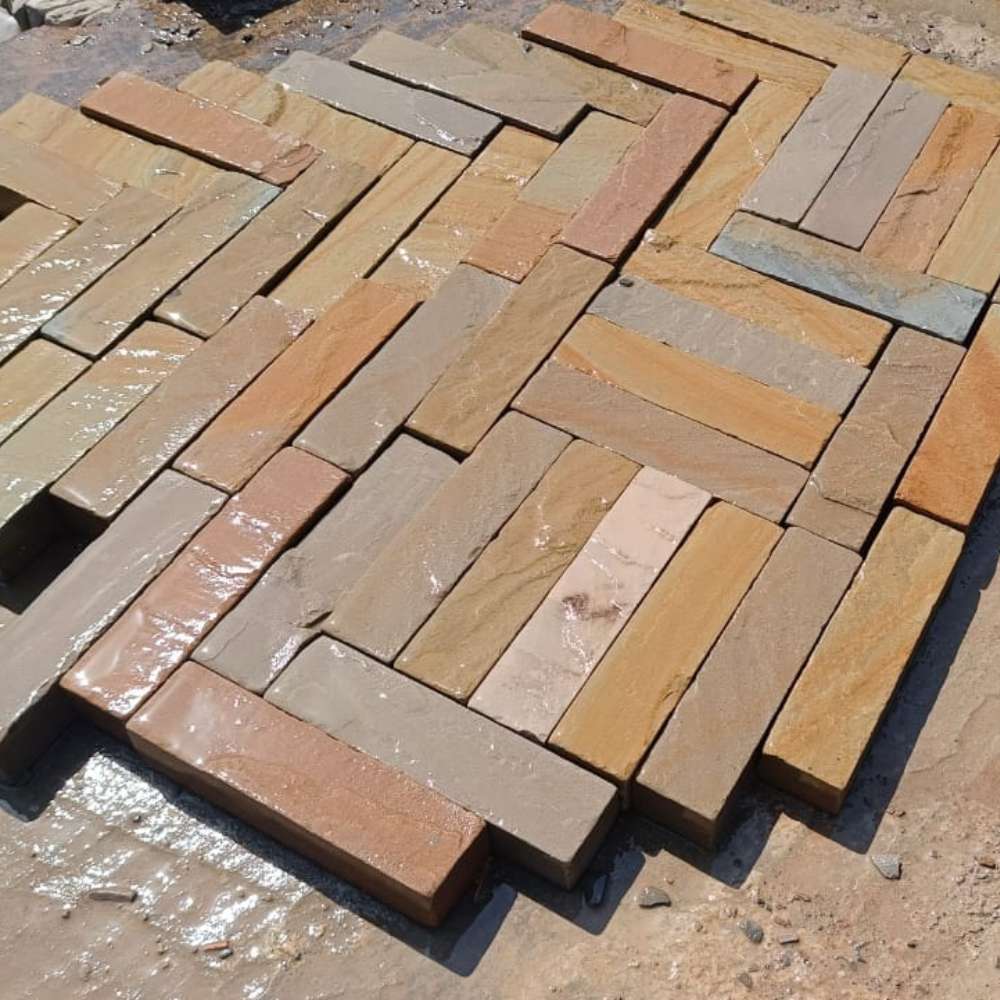
Right, let's have a proper chat about porcelain paving. Now, I know what you might be thinking – "Porcelain? Isn't that what my gran's tea set is made from?" Well, yes and no! Outdoor porcelain paving is an entirely different beast, and if you're planning a garden project or considering replacing your tired old patio, winter is actually the perfect time to discover why porcelain might just be your new best friend.
Before we dive into why porcelain is absolutely brilliant for British winters, let's quickly cover what it actually is. Porcelain paving tiles are made from a special blend of clays and natural materials that are fired at ridiculously high temperatures – we're talking around 1200°C. This extreme heat transforms the materials into an incredibly dense, non-porous surface that's basically indestructible.
Think of it as natural stone's high-tech cousin. You get all the beauty and aesthetic appeal of traditional stone paving, but with some serious added benefits that make it particularly suited to our somewhat challenging British climate.
Here's the thing about winter in the UK – it's properly testing for outdoor materials. We get rain (oh, how we get rain), frost, occasional snow, ice, temperature fluctuations, and that general damp greyness that seems to go on forever. Traditional paving materials can struggle with these conditions, but porcelain? It absolutely thrives.
Let me explain why porcelain paving slabs are particularly brilliant during the winter months, and why choosing porcelain now means stress-free outdoor spaces all year round.
Let's start with the big one – frost resistance. This is where porcelain absolutely shines compared to many natural stones.
Traditional sandstone paving and limestone are porous, which means they absorb water. When that water freezes during cold snaps, it expands in the stone's pores, potentially causing cracks, spalling (where the surface flakes off), and general deterioration. Over multiple freeze-thaw cycles, this can seriously damage your paving.
Porcelain, however, is virtually non-porous. We're talking less than 0.5% water absorption. That means water can't penetrate the surface, so when temperatures drop, there's nothing inside the tile to freeze and expand. Your porcelain paving will sail through even the harshest winter completely unscathed.
Whether you've gone for Kandla Grey porcelain, Brazilian Black, or Quartz Grey slabs, you can rest easy knowing frost damage simply isn't going to happen. That's proper peace of mind, right there.
Winter maintenance can be an absolute faff with traditional stone. Between removing algae, treating moss, sealing against frost damage, and generally keeping on top of winter grime, it can feel like a constant battle.
Porcelain? It's refreshingly straightforward. That super-dense, non-porous surface means algae and moss struggle to get a foothold. While sandstone paving might develop that telltale green tinge in shady, damp spots, your porcelain slabs stay clean with minimal effort.
Here's your winter porcelain maintenance routine (honestly, it's this simple):
No sealing required. No specialist cleaning products needed (though our Azpects cleaners work brilliantly if you want extra cleaning power). No fretting about frost damage. Just clean, beautiful paving all winter long with virtually zero effort.
The 600x900mm porcelain paving format we stock is particularly brilliant because those larger slabs mean fewer joints where dirt and algae can accumulate. Less grout = even easier maintenance!
Here's where porcelain really saves you hassle and cash. Traditional Indian sandstone paving and limestone slabs really benefit from sealing – it protects against staining, reduces water absorption, and helps prevent winter weather damage.
Sealing isn't cheap (quality sealers like our EASYSeal are an investment), it takes time to apply properly, and needs repeating every couple of years. Plus, you need suitable weather conditions – dry days with no rain forecast.
Porcelain? Doesn't need sealing. Ever. That's because the manufacturing process creates such a dense, impermeable surface that protective sealers are completely unnecessary. What you see is what you get, and what you get stays looking brilliant without any additional treatment.
Over the lifetime of your patio, you're saving hundreds (possibly thousands) of pounds on sealing products and either your own time or professional labour costs. That's money better spent on outdoor furniture, heating, lighting, or – let's be honest – more plants!
British winters can be brutal on paving. Between the damp, the frost, the occasional snow, de-icing salt, and just general wear and tear, your outdoor surfaces take a real battering.
Porcelain's incredible density makes it phenomenally resistant to damage. It won't crack from frost, won't stain from de-icing salt, and won't fade or discolour from UV exposure (yes, even weak winter sun can fade some natural stones over time).
The 20mm calibrated thickness of our R11 anti-slip porcelain paving provides incredible strength. We're talking about a material that can handle vehicular traffic when properly installed – your driveway paving in porcelain will cope with cars, delivery vans, even the rubbish lorry, winter after winter without showing any wear.
For patios and pathways, this means your investment will look as good in 20 years as it does on day one. No degradation, no weathering, no patina developing (which some people love on natural stone, but others find less appealing). Just consistent, beautiful paving that performs flawlessly whatever the British weather throws at it.
Right, let's talk safety, because this is crucial during winter. Wet paving + frost = potential skating rink. Not ideal when you're taking the bins out in the dark or letting the dog out for a morning wee.
All our porcelain paving comes with an R11 anti-slip rating, which is the highest rating for outdoor use. This means the textured surface provides excellent grip even when wet or icy. That textured finish isn't smooth and shiny like your bathroom tiles – it's specifically designed for outdoor safety.
Compare this to smooth sandstone paving or polished granite, which can become treacherously slippery when wet. Even some riven sandstones with algae growth can be dodgy underfoot.
Varieties like Kandla Grey porcelain, Hammerstone Grey, and Brazilian Black porcelain all feature this safety-conscious textured surface whilst still looking absolutely gorgeous. Style and safety? That's having your cake and eating it!
Natural stone is, well, natural. That means variations in colour, tone, and pattern – which many people love! But it also means your Raj Green sandstone might look quite different after a wet winter compared to how it looked when first laid.
Natural stones can darken when wet, develop patinas, fade in sunlight, or be affected by leaf stains and weathering. Again, some people consider this character, but if you want predictable, consistent appearance, it can be frustrating.
Porcelain maintains its colour and appearance year-round. Your Quartz Grey porcelain paving looks the same whether it's bone dry in summer or sodden in January. The advanced manufacturing process including digital printing creates colours that are throughout the material and completely UV stable.
This consistency is particularly appreciated in modern, minimalist garden designs where that clean, uniform look is part of the aesthetic. Whether you've chosen County Anthracite for dramatic dark tones, Swiss White for contemporary brightness, or Egyptian Limestone effect for warm neutrals, what you see in our showroom is what you'll see in your garden – winter, summer, and every season in between.
Here's something you mightn't have considered – drying time. After winter rain (and let's be honest, there's a lot of it), how quickly can you actually use your patio?
Because porcelain is non-porous, water sits on the surface rather than being absorbed. This means it dries off incredibly quickly – often within an hour or two of rain stopping, depending on temperature and breeze.
Compare this to sandstone paving or limestone, which absorb water and can stay damp for ages, especially in winter when there's not much sun or warmth to aid evaporation. That constant dampness is also what encourages moss and algae growth.
This quick-drying characteristic means you can actually use your outdoor space between weather systems. That brief dry spell in January? Your porcelain patio is ready to go. Perfect for letting the kids burn off energy, taking your coffee outside for a breath of fresh air, or just sitting out for five minutes of winter sunshine.
Now, let's talk aesthetics, because what's the point of practical paving if it looks rubbish? The good news is that porcelain paving has come on leaps and bounds in recent years. Gone are the days of basic, obviously manufactured-looking tiles. Modern porcelain offers stunning designs that convincingly replicate natural stone.
Grey is the go-to for modern garden design, and our grey porcelain paving range is absolutely stunning.
Kandla Grey porcelain perfectly mimics the look of natural Kandla Grey sandstone but without any of the maintenance headaches. That cool, sophisticated silver-grey tone works brilliantly with contemporary garden furniture, rendered walls, and minimalist planting schemes.
Hammerstone Grey offers a darker, charcoal-grey option with a textured finish that looks incredibly natural. Pair it with architectural plants, steel planters, and modern lighting for that designer garden look.
Quartz Grey and Crossover Grey provide additional variations on the grey theme, so you can find the perfect tone for your specific space and style.
For maximum impact, go dark. Brazilian Black porcelain paving and County Anthracite create incredibly sophisticated, dramatic outdoor spaces.
Dark paving might seem counterintuitive for winter (won't it always look wet?), but actually, the consistency of colour means these slabs look fantastic year-round. Plus, dark paving shows less dirt and leaf staining – bonus!
In winter particularly, dark paving creates a stunning contrast with frost, snow, or winter-flowering plants. It's dramatic, modern, and timelessly elegant.
Not everyone wants cool greys or dramatic blacks. If you prefer warmer tones, our beige porcelain paving options are gorgeous.
Hammerstone Beige offers soft, sandy tones that work beautifully with traditional properties or cottage-style gardens. It's got all the warmth of natural sandstone but with porcelain's superior performance.
Egyptian Limestone porcelain replicates the look of natural limestone with those characteristic warm, creamy tones. Perfect for creating a Mediterranean feel (even in Manchester in January!).
For ultimate brightness and contemporary style, consider Quartz White porcelain, Swiss White, or Himalayan White.
These create incredibly bright, spacious-feeling outdoor areas that really lift darker winter days. They're particularly brilliant in north-facing or shady gardens where you want to maximise every bit of available light.
The beauty of white porcelain is that it stays looking pristine with minimal effort. Unlike light-coloured natural stone, which can stain or discolour, porcelain white is forever white.
Modern manufacturing techniques mean you can get porcelain that convincingly mimics almost any natural stone. Want the look of Kandla Grey sandstone without the maintenance? We've got porcelain for that. Fancy limestone aesthetics with bulletproof durability? Yep, porcelain does that too.
You get the visual appeal of natural stone – including subtle variations in tone and realistic surface textures – combined with all of porcelain's practical benefits. Best of both worlds!
Planning a winter garden project? Porcelain has some installation advantages over natural stone that make winter laying more viable.
Consistent Sizing: Our 20mm calibrated thickness means every slab is exactly the same depth. This makes laying much quicker and easier, especially important when you're working in shorter winter days with less favourable conditions.
No Pre-Sealing: With sandstone, some installers recommend sealing before grouting to prevent staining from jointing materials. Porcelain doesn't need this, simplifying the installation process.
Less Cutting Required: The large 600x900mm format means you need fewer slabs to cover an area, which often means less cutting and trimming. Less cutting = less time = more likelihood of finishing before the weather turns!
Immediate Usability: Once laid and grouted, porcelain paving can be used immediately (well, after the grout has cured). No waiting for sealers to dry or for the stone to "settle in."
Right, let's address the elephant in the room – porcelain paving typically costs more upfront than standard Indian sandstone. There, I've said it. But before you dismiss it on price alone, let's look at the whole picture.
No Sealing Costs: Over 20 years, you might need to seal natural stone 6-10 times. That's thousands of pounds in sealer and either your time or professional labour costs. Porcelain? £0 sealing costs. Ever.
Minimal Maintenance Costs: Less cleaning means fewer products needed. You're not buying algae removers, moss treatments, or heavy-duty cleaners. Maybe a bottle of mild detergent. That's it.
No Replacement Costs: Natural stone can deteriorate over time, particularly from frost damage or if not properly maintained. Quality porcelain should last 50+ years without any degradation. That's one-and-done.
Reduced Labour: Whether DIY or professional installation, porcelain's consistent sizing and easier laying process can reduce labour costs.
Property Value: High-quality outdoor spaces add value to your home. The durability and low-maintenance appeal of porcelain paving is a genuine selling point.
When you factor all this in, the initial premium for porcelain paving becomes much less significant. It's an investment that pays back over time.
Let's do a direct comparison for winter performance:
Frost Resistance:
Maintenance:
Slip Resistance:
Colour Consistency:
De-icing Salt Resistance:
Longevity:
Let me paint you some pictures of how porcelain paving performs in typical British winter situations:
Scenario 1: The North-Facing Patio This gets minimal sun, stays damp, and is a breeding ground for algae on natural stone. With porcelain? A quick sweep and rinse monthly keeps it pristine all winter. No green tinge, no slippery surfaces, no constant battle against nature.
Scenario 2: The Family Driveway Cars tracking in road salt and grit, frost most mornings, occasionally needs de-icing. Natural stone can stain and deteriorate. Porcelain just laughs it off – after 20 winters, it looks identical to day one.
Scenario 3: The Poolside Area Constantly wet, occasional freeze-thaw cycles, needs to be ultra-safe. R11 porcelain provides that crucial slip resistance whilst being completely impervious to constant moisture.
Scenario 4: The Fire Pit Area Hot in use, freezing when not, exposed to ash and potential staining. Porcelain handles temperature extremes without cracking and any stains just rinse off. Perfect for year-round outdoor entertaining.
Modern consumers (rightly) care about environmental impact. So how does porcelain stack up?
Longevity: The fact that quality porcelain lasts 50+ years without replacement is hugely sustainable. Less frequent replacement = less extraction of raw materials, less manufacturing, less transport, less waste.
Low Maintenance: Minimal cleaning products needed means fewer chemicals entering the environment and less plastic packaging waste.
Production: Modern porcelain production is increasingly energy-efficient, and many manufacturers use recycled materials in their products.
Installation: Large format slabs mean less raw material is needed to cover a given area compared to smaller pavers.
While porcelain isn't "natural" like stone, its incredible durability and minimal maintenance requirements make it a sustainable long-term choice.
Already got old paving that's seen better days? Winter is actually a great time to consider replacing it with porcelain.
You're probably not using your outdoor space much anyway (be honest!), so there's no loss of enjoyment during installation. Plus, doing it now means your gorgeous new porcelain patio is ready and waiting when spring arrives.
Imagine stepping out onto pristine, safe, beautiful paving on that first warm day instead of facing a mossy, cracked, stained disaster that needs completely renovating before you can enjoy it!
If I had to recommend porcelain options specifically for excellent winter performance, here are my top picks:
Best All-Rounder: Kandla Grey Porcelain 600x900 – Sophisticated colour, excellent durability, shows minimal dirt
Best for Drama: Brazilian Black Porcelain – Striking dark tones, incredibly low maintenance, always looks smart
Best for Brightness: Quartz White Porcelain – Maximises light in winter, stays pristinely white with minimal effort
Best for Warmth: Hammerstone Beige Porcelain – Beautiful neutral tones, works with any style, incredibly practical
Best for Safety: Any of our R11 Anti-Slip Porcelain Range – Maximum grip in all conditions, essential for steps, slopes, or pool areas
Convinced? Here's your action plan:
"Will porcelain look too artificial?" Modern porcelain convincingly replicates natural stone. Most people can't tell the difference once it's laid. Choose a natural stone effect design, and you get the aesthetic without the maintenance burden.
"Can I lay porcelain myself?" If you're a confident DIYer with basic paving experience, yes. The consistent sizing actually makes it easier to lay than natural stone. That said, proper base preparation is crucial – if in doubt, use a professional.
"Does porcelain crack more easily than stone?" No! When properly installed on a suitable base, porcelain is incredibly resistant to cracking. The 20mm thickness provides excellent strength.
"Will it fade in the sun?" No. Unlike some natural stones and certainly unlike cheap concrete slabs, porcelain colours are UV stable and won't fade over time.
"Can I use it for a driveway?" Absolutely. Our 20mm porcelain paving is suitable for vehicular traffic when installed correctly. It's actually ideal for driveways due to its oil and stain resistance.
We've talked about how low-maintenance porcelain is, but here's your specific winter care routine:
Weekly: Quick sweep to remove leaves and debris. That's honestly it for most weeks.
Monthly: Rinse with clean water or mop with mild detergent solution if there's built-up dirt.
After Snow/Ice: Remove snow with a plastic shovel (avoid metal which could scratch). If you need to use de-icer, go ahead – porcelain is completely unaffected by it.
Check Drainage: Ensure water runs off properly and isn't pooling. This isn't about protecting the porcelain (it's impervious), but about preventing ice formation and ensuring proper drainage away from your property.
Inspect Joints: Check that jointing material is intact. If it's cracked or missing, refill to prevent weeds establishing and maintain a neat appearance.
That's genuinely it. Compare that to the intensive winter care routine sandstone or limestone might need, and you'll appreciate just how wonderfully practical porcelain is!
We could supply you with bog-standard porcelain, but we don't. Every product in our porcelain range has been carefully selected for quality, aesthetic appeal, and practical performance.
Quality You Can Trust: 20mm calibrated thickness, R11 anti-slip rating, rigorous quality control
Extensive Range: Multiple colours, finishes, and styles to suit any project
Expert Advice: Our team knows paving inside and out and can help you choose the right option
Free Delivery: Throughout the UK – we bring your chosen paving right to your door
Competitive Pricing: Premium quality at sensible prices, with the long-term value making it an excellent investment
Free Samples: See and feel the porcelain before committing to your full order
Look, I'm not going to pretend natural stone isn't beautiful – of course it is! We stock stunning Indian sandstone, limestone, and granite for exactly that reason. But if you want the absolute best winter performer, if you value your time and want minimal maintenance, if you need guaranteed frost resistance and exceptional durability, then porcelain paving is your answer.
It's your garden's best mate this winter (and every winter thereafter) because it just works, without fuss, without constant care, and without ever letting you down. Rain, frost, snow, ice, algae, moss – bring it on. Your porcelain paving can handle it all.
Whether you choose the cool sophistication of Kandla Grey, the drama of Brazilian Black, the warmth of Hammerstone Beige, or the brightness of Quartz White, you're choosing a winter-proof, low-maintenance, beautiful paving solution that'll serve you brilliantly for decades.
So go on, make your life easier. Choose porcelain, install it properly, and then pretty much forget about it for the next 50 years. Your future self – the one who's out enjoying their outdoor space on the first nice day of spring rather than scrubbing algae – will thank you!
Ready to discover your perfect porcelain? Browse our complete porcelain paving collection and start planning your winter-proof garden transformation today!
Thanks for subscribing!
This email has been registered!


